If you, or someone you know is in crisis - call or text 988 (day or night)|in the USA. For INTERNATIONAL HOTLINES: CLICK HERE

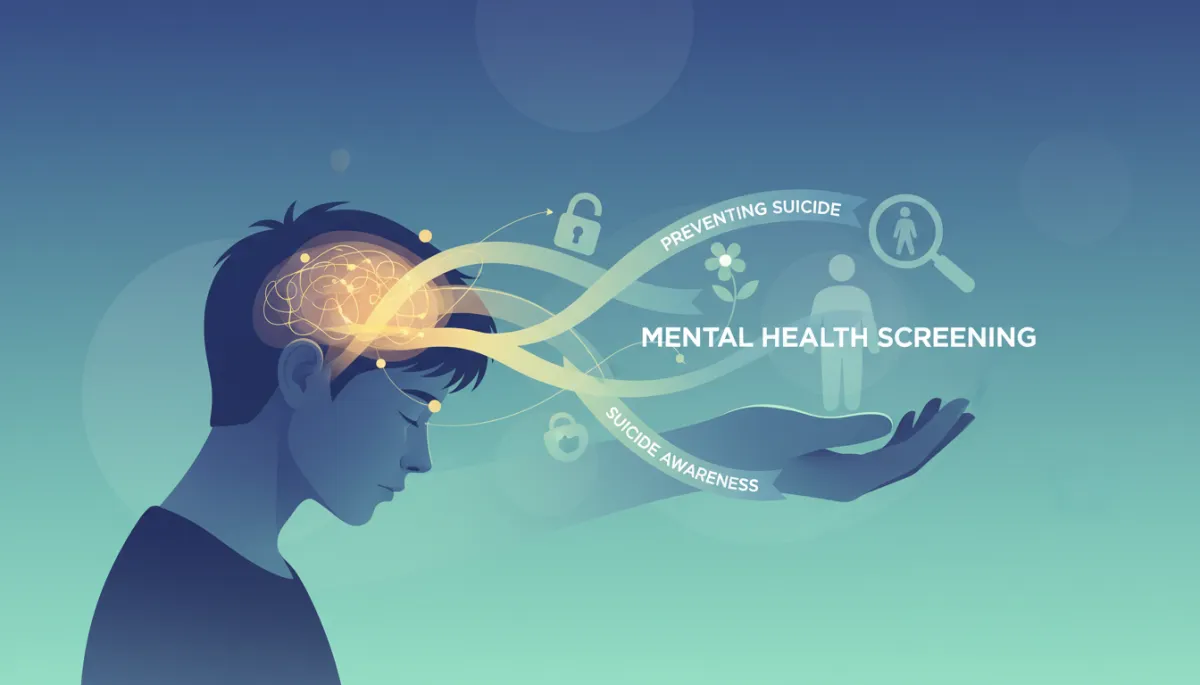
Youth Suicide Screening: A Crucial Step Forward
Mental Health, Youth Suicide, Prevention
Why Youth Suicide Screening Matters More Than Ever
Youth suicide is a growing public health concern, but early mental health screening can help families, schools, and communities recognize risk sooner and step in before a crisis escalates.
Understanding the Reality of Youth Suicide
Youth suicide does not happen “out of nowhere.” It is often the end point of a long struggle with emotional pain, stress, or untreated mental health conditions. Many young people feel pressure from school, social media, family expectations, or identity questions. When these pressures pile up without support, feelings of hopelessness can take root and become overwhelming.
Talking openly about youth suicide does not put the idea into a teen’s mind. Instead, it sends a powerful message: you are not alone, and help is available. Honest conversations are a foundation for effective suicide awareness and prevention, especially when paired with practical tools like screening.
What Is Mental Health Screening for Young People?
Mental health screening is a brief, structured way to check how a young person is feeling and coping. It might be a short questionnaire at a doctor’s visit, an online check-in at school, or a conversation guided by a counselor. These tools look for signs of depression, anxiety, self-harm thoughts, and other concerns that can increase the risk of youth suicide.
Screening is not a diagnosis, and it is not a test a teen can “fail.” It is a starting point that helps adults understand when a young person might benefit from extra support, a more in-depth evaluation, or ongoing care. In that sense, mental health screening is similar to checking blood pressure or vision: a simple step that can reveal hidden problems early.
Screening Importance in Preventing Suicide
One of the biggest challenges in preventing suicide is that many teens hide their struggles behind good grades, busy schedules, or a practiced smile. Mental health screening offers a private, structured way for them to share what they are really experiencing. When done routinely, it can identify risk long before a crisis or suicide attempt occurs.
Early warning signs: Screening can reveal changes in sleep, mood, or thinking that might otherwise be dismissed as “normal teen behavior.”
Clear next steps: Positive results prompt follow-up conversations, safety planning, and referrals to mental health professionals when needed.
Building trust: Regular screening normalizes talking about feelings and shows teens that adults take their emotional health seriously.
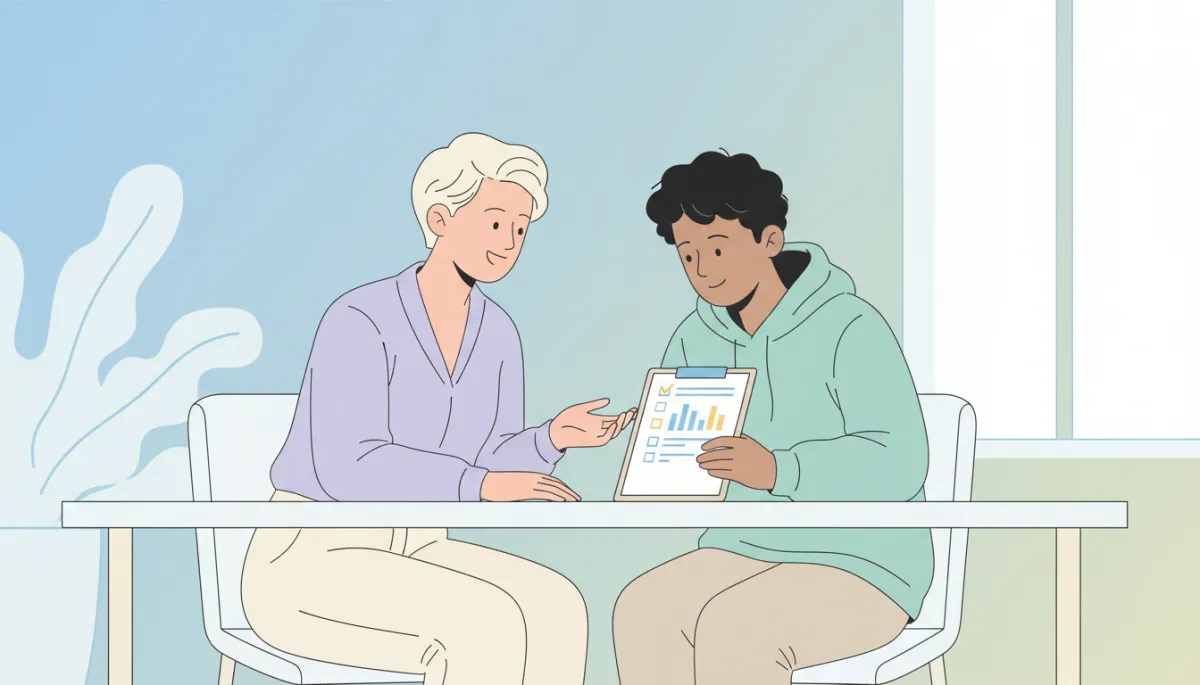
Simple screening tools can uncover silent struggles and connect teens to timely care.
Suicide Awareness and Teen Mental Health in Everyday Life
Suicide awareness is more than a single campaign or social media post. It is an ongoing commitment to noticing changes in teen mental health and responding with empathy instead of judgment. Warning signs can include withdrawing from friends, sudden drops in school performance, giving away belongings, talking about feeling like a burden, or expressing that life has no purpose.
Families, teachers, coaches, and peers all play a role. Asking direct questions such as, “Have you been having thoughts of hurting yourself or ending your life?” can feel uncomfortable, but research shows that it does not increase risk. Instead, it opens a door for honest conversation and makes it easier to guide the young person toward support, including professional mental health screening when appropriate.
💡 Pro Tip: Pair suicide awareness messages with clear resources, such as crisis lines, school counseling contacts, or local mental health clinics, so teens know exactly where to turn for help.
How Communities Can Support Safer Futures
When schools, healthcare providers, and community organizations work together, youth suicide prevention becomes stronger and more effective. Regular mental health screening at pediatric visits, school-based wellness checks, and accessible counseling services all send the same message: your feelings matter, and we are here to help.
Creating safe, stigma-free spaces encourages teens to speak up early, whether they are worried about themselves or a friend. By combining suicide awareness, routine screening, and compassionate follow-up care, we can move from reacting to crises to truly preventing suicide and protecting teen mental health for the long term.
A Final Word: Screening Is an Act of Care, Not Distrust
Youth suicide is complex, but one truth is clear: early, thoughtful mental health screening saves lives. It shows young people that adults are paying attention and willing to listen. By prioritizing screening importance in our homes, schools, and healthcare settings, we take a powerful step toward preventing suicide and nurturing healthier, more hopeful futures for every teen.

This is a PaThis is a headaingragraph Font